Figura contemplativa
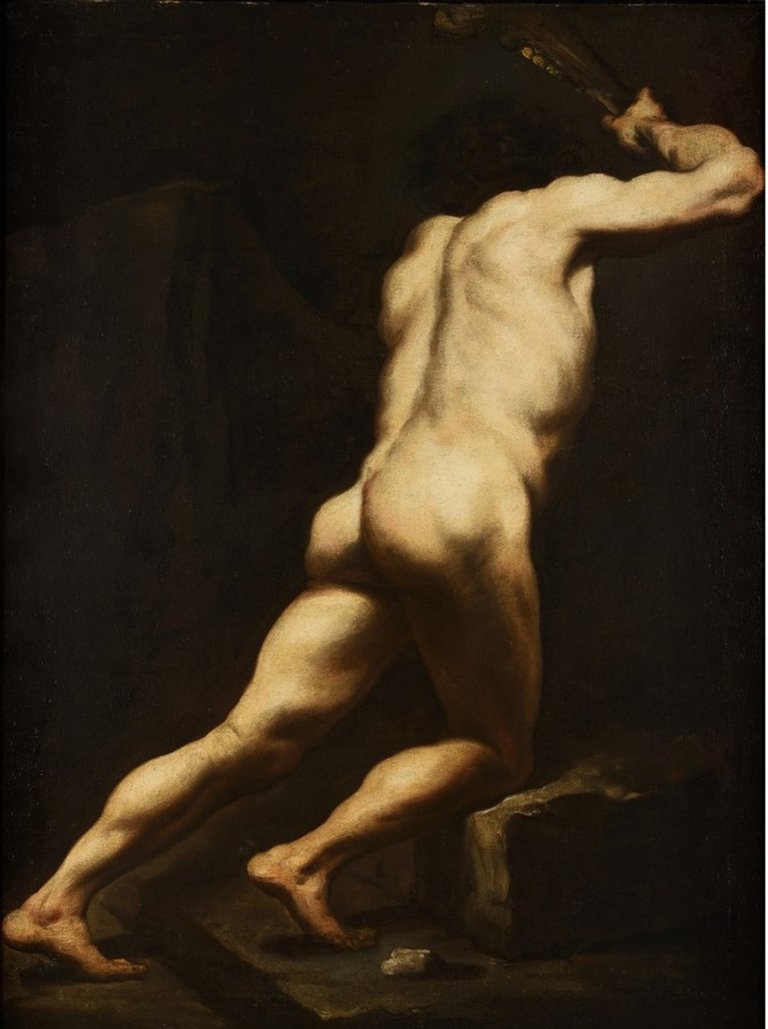
The human figure is among the oldest and at the same time most enduring themes in the visual arts. From prehistoric engravings and paintings to contemporary artistic projects, human beings have repeatedly turned to their own likeness: observing it, stylising it, idealising it, but also questioning it. The human figure is therefore not only one of the most frequent motifs in the history of art, but also an important means through which art expresses how different periods understood the human being and his or her place in the world.
The representation of the human body has never been merely a matter of recording outward appearance. The human figure concentrates a wide range of meanings and opens up aesthetic, cultural, and psychological modes of perception. Each of its artistic formulations bears not only the imprint of the age in which it was created, but also the ideas, values, and questions that shaped that society. For this reason, images of the human body cannot be understood in one single, definitive way. Every period, every culture, and every viewer may discover in them new and different meanings.
Exhibition Information
- EXHIBITION: Figura contemplativa: The Human Body in Art from Antiquity to the Present in the Patrik Šimon Collection
- VENUE: Archdiocesan Museum of Kroměříž / Archbishop’s Palace, Kroměříž
- DATES: June 11, 2026 – September 6, 2026
- OPENING RECEPTION: June 11, 2026, at 5:00 PM
- VERNISÁŽ: 11 06 2026 v 17:00
- AUTHORS: Miroslav Kindl, Patrik Šimon
- CURATOR: Miroslav Kindl
- GRAPHIC DESIGN: Petr Šmalec
- INSTALLATION: Vlastimil Sedláček, Filip Šindelář, Ondřej Žák
- PHOTOGRAPHY: Markéta Lehečková, Zdeněk Sodoma
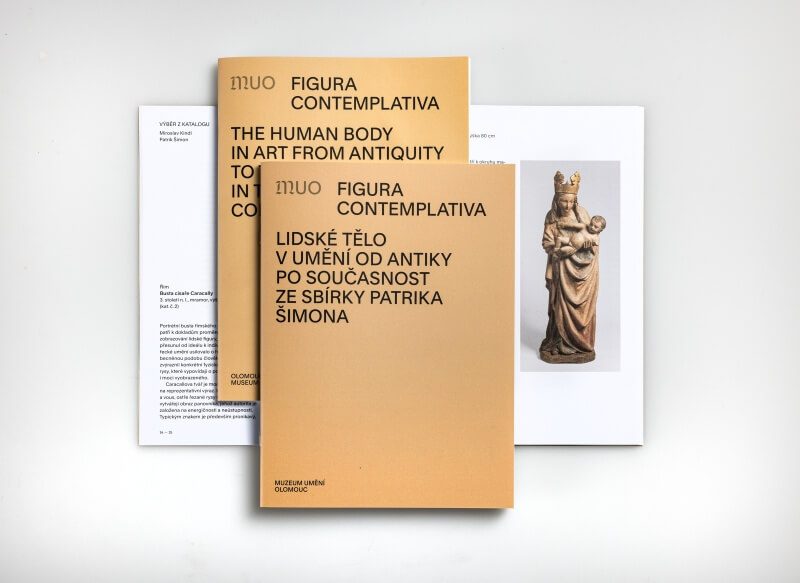
The changing ways in which the human figure has been represented also reflect deeper transformations in European thought. In some periods, the human figure was understood primarily as an expression of order, harmony, and ideal beauty; in others, it became a vehicle for religious meaning or moral instruction. In the early modern period, the concept of the human being as a unique individual with an inner life came to the fore, while modern and contemporary art often subjects the figure to deformation, fragmentation, or entirely new forms of interpretation. The history of figural representation is thus also a history of changing conceptions of the human image in European culture. If we follow the human figure across the centuries, one of the key narratives of European art unfolds before us: a journey from symbolic and conventional representation towards a deeper interest in reality, from the ideal to individuality, and from a unified conception of the body to its plurality in modern and contemporary art.
Through works drawn from a private collection, the exhibition Figura contemplativa invites visitors to consider this long and multilayered development. In its individual chapters, it presents the principal stages of European art — from antiquity through the Middle Ages and the early modern period to twentieth- and twenty-first-century art. Each of these periods brought its own conception of the human figure, its own aesthetic norms, and its own ways of using the figure to express fundamental questions of human existence.